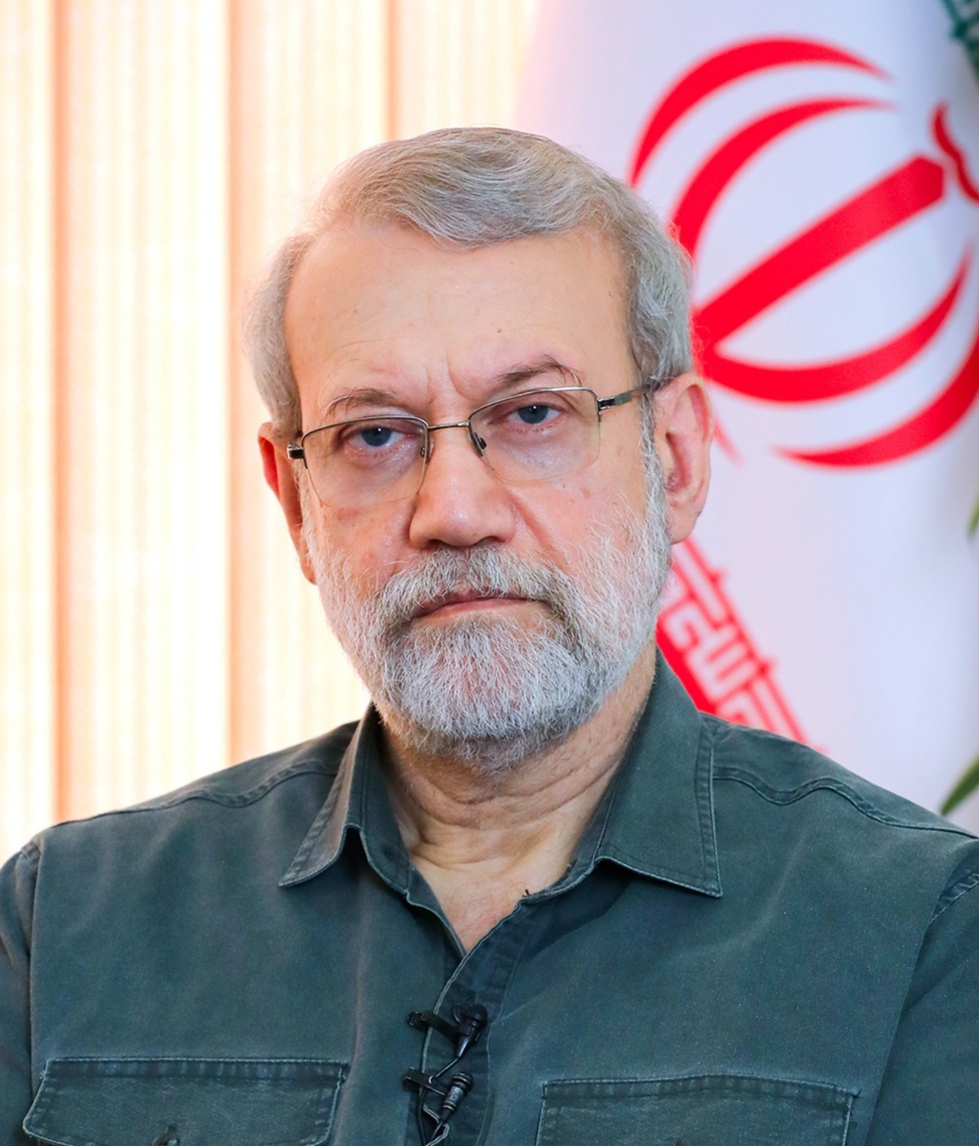
In the complex and often opaque world of Iranian politics, few figures command as much influence and mystique as Ali Larijani. A veteran politician, deeply entrenched in the Islamic Republic's establishment, Larijani has consistently occupied key positions, quietly shaping Iran's domestic and foreign policy for decades. Following recent tumultuous events, including the reported death of Supreme Leader Ayatollah Ali Khamenei and the subsequent formation of a temporary leadership council, all eyes have turned to Larijani as a pivotal figure, possibly even the next leader. For those asking, "wer ist Larijani?" – or "who is Larijani?" – the answer reveals a shrewd strategist, a pragmatic diplomat, and a fierce defender of the regime, poised at a critical juncture in Iran's history.
A Legacy of Influence: Larijani's Ascent in Iranian Politics
Ali Larijani hails from one of Iran's most influential clerical families, a lineage that has deeply rooted him within the country's political and religious elite. This background has provided him with an unparalleled network and an understanding of the intricate power dynamics that govern the Islamic Republic. His father, Ayatollah Hashem Amoli, was a prominent religious scholar, and his brothers also hold significant posts, solidifying the Larijani family's standing as a political dynasty. This entrenched position as an "establishment insider" has been a cornerstone of his enduring power.
Throughout his extensive career, Larijani has demonstrated unwavering loyalty to Supreme Leader Ali Khamenei, a crucial trait for any high-ranking official in Iran. Yet, this loyalty is tempered by a reputation for pragmatic engagement with the often-rival factions within the system. This ability to navigate political divides, forge alliances, and maintain communication across ideological lines underscores his status as a true "power broker." He has held an array of senior jobs, including:
- Minister of Culture and Islamic Guidance: Early in his career, showcasing his role in ideological oversight.
- Head of Islamic Republic of Iran Broadcasting (IRIB): A powerful position overseeing state media.
- Secretary of the Supreme National Security Council (SNSC): A role he has held twice, first two decades ago and again recently, highlighting his expertise in national security.
- Speaker of the Parliament (Majlis): A significant legislative role, where he served for 12 years.
His return to the SNSC leadership last year, particularly after intense regional conflicts, marked a significant re-entry into the heart of Iran’s security establishment. This move signaled not only Khamenei's trust but also Larijani's indispensable experience in managing Iran's most sensitive security and foreign policy challenges. His long-standing presence and consistent elevation suggest a figure whose influence transcends individual political cycles, making him a perennial force in Tehran's corridors of power.
Navigating Geopolitics: Nuclear Deals, Regional Ties, and International Diplomacy
One of the most critical aspects of Ali Larijani's extensive portfolio has been his central role in Iran's foreign policy and national security, particularly concerning its nuclear ambitions and regional relationships. As Secretary of the Supreme National Security Council, he is at the nexus of strategic decision-making, overseeing a broad range of issues from nuclear negotiations to Tehran's complex web of regional alliances.
Larijani's involvement in nuclear diplomacy is particularly noteworthy. He has consistently been a key figure in attempts to reach a nuclear deal with the United States. His pragmatic approach to the nuclear issue, especially in the wake of escalating tensions, has been evident in his public statements. For instance, addressing Oman state television, he remarked, "In my view, this issue is resolvable. If the Americans’ concern is that Iran should not move toward acquiring a nuclear weapon, that can be addressed." This stance suggests a willingness to find common ground, albeit within the parameters of Iran's national interests and security concerns.
His recent diplomatic efforts underscore his critical importance. Last month, he undertook a crucial trip to Oman, a traditional mediator, to prepare for indirect nuclear talks with the U.S. This diplomatic initiative occurred even as Washington increased its military presence in the Middle East, signaling a complex interplay of pressure and negotiation. Concurrently, Larijani has also made multiple trips to key ally Moscow, discussing a range of security ties and further solidifying Iran's strategic partnerships. These high-level engagements demonstrate his active role in shaping Iran's international posture and managing its relationships with global powers.
His appointment to lead the SNSC again followed a period of intense regional conflict, including a 12-day air war between Iran and Israel, joined by the U.S. This critical timing highlights the regime's reliance on his experience and steady hand during periods of heightened tension. For a deeper dive into his specific contributions to Iran's foreign policy challenges, you can read more about Ali Larijani: His Role in Iran's Nuclear Talks and Security.
The Iron Fist: Larijani's Stance on Internal Unrest and External Threats
While Ali Larijani is recognized for his diplomatic pragmatism on the international stage, particularly concerning nuclear negotiations, his approach to internal dissent and perceived external threats to Iran's sovereignty is markedly different. Here, he embodies the regime's uncompromising stance, advocating for a strong, even harsh, response to challenges.
His role in suppressing anti-government protests in January provides a stark illustration of this duality. According to U.S. government announcements detailing sanctions against him, Larijani was at the forefront of efforts to crush the widespread demonstrations. A U.S. Treasury statement from January 15 explicitly accused him of being "one of the first Iranian leaders to call for violence in response to the legitimate demands of the Iranian people," claiming he acted at the behest of Ayatollah Ali Khamenei. Rights groups have reported thousands of casualties from the crackdown, making it one of the most severe responses to dissent in recent memory.
Larijani's rhetoric against perceived foreign adversaries is equally uncompromising. Following a wave of attacks on Iran, he swiftly accused the United States and Israel of attempting to "plunder and disintegrate Iran." He issued a stern warning to "secessionist groups," threatening a "harsh response" should they attempt any action against the Islamic Republic. This rhetoric not only projects strength but also serves as a clear signal of the regime's resolve to maintain national unity and territorial integrity.
His immediate reaction on social media platform X (a platform notably restricted for most Iranian citizens) after the deadly strikes that led to Khamenei's reported death further cemented his image as a resolute defender of the regime. He famously declared, "Today we will hit them with a force that they have never experienced before." This aggressive posturing, hours after the strikes, underscored his commitment to retaliation and his prominent role in guiding Iran's immediate response to external aggression. This blend of diplomatic nuance and unwavering firmness defines his approach to national security.
The Succession Question: Ali Larijani's Path to Power
The sudden and dramatic shifts in Iran's political landscape have propelled Ali Larijani to the forefront of discussions regarding the country's next Supreme Leader. With the reported death of Ayatollah Ali Khamenei, a significant power vacuum has emerged, and Larijani is widely regarded by experts as the most likely figure to step into this monumental role. His immediate involvement in the temporary leadership council, established hours after the deadly strikes, further solidified his position as a central player in the succession process.
Several factors contribute to Larijani's strong candidacy:
- Deep Establishment Ties: His extensive career within various arms of the state, from legislative to security, ensures he has a comprehensive understanding of Iran's governance and maintains strong relationships across different factions.
- Clerical Background: Hailing from a prominent clerical family provides him with religious legitimacy crucial for the role of Supreme Leader, which demands both political acumen and theological authority.
- Loyalty to Khamenei: His consistent loyalty to the late Supreme Leader ensures that he is seen as a guardian of the principles of the Islamic Revolution, appealing to conservative elements within the regime.
- Pragmatic Experience: His track record of balancing hardline rhetoric with pragmatic engagement, especially in sensitive areas like nuclear diplomacy, suggests he possesses the nuanced skills necessary to lead a complex nation like Iran in a volatile region.
- Strategic Vision: His portfolio, spanning nuclear negotiations, regional security, and internal affairs, demonstrates a strategic mind capable of managing the multifaceted challenges Iran faces.
Should Larijani ascend to the role of Supreme Leader, it would signify a continuation of an establishment-driven leadership, but potentially one that combines steadfast ideological commitment with a more sophisticated approach to international relations. His leadership would likely involve a delicate balancing act: maintaining the regime's core principles and internal stability while seeking to de-escalate external tensions through calculated diplomatic maneuvers. Understanding the implications of such a transition is vital for anyone observing Iranian politics. For a more detailed look into his potential leadership and what it might mean for the region, explore Ali Larijani: Iran's Potential New Leader Explained.
Ali Larijani stands as a colossal figure in Iranian politics, a veteran power broker whose career has been defined by unwavering loyalty to the system, strategic pragmatism, and a firm hand in times of crisis. From navigating complex nuclear talks with global powers to spearheading the regime's response to internal dissent and external threats, his influence is undeniable. As Iran grapples with a pivotal leadership transition, Larijani's deep roots in the establishment, combined with his pragmatic yet resolute approach, position him as a crucial architect of the nation's future. His journey reflects the intricate and often paradoxical nature of power in the Islamic Republic, making him a figure whose actions will undoubtedly shape the trajectory of Iran for years to come.