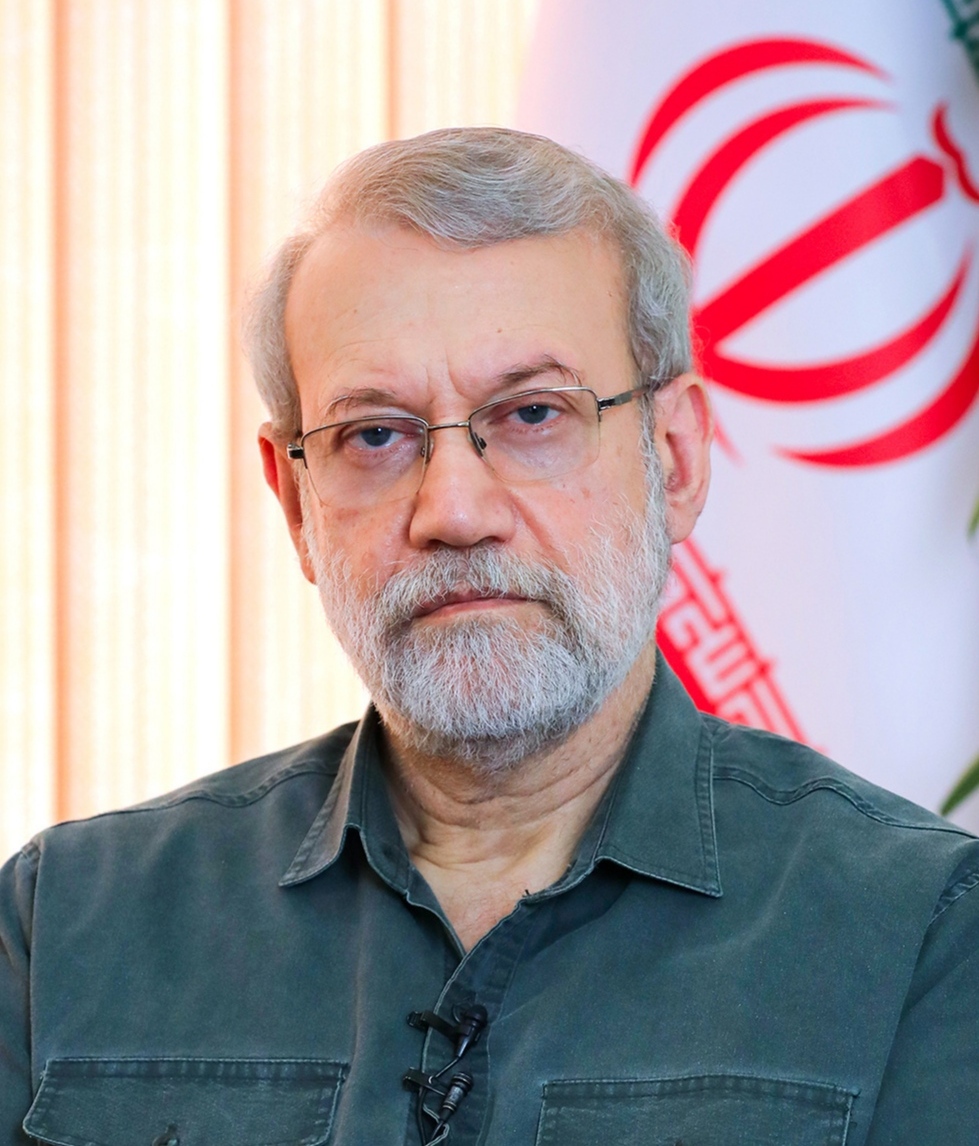
Wer ist Larijani? Unpacking the Enigma of Iran's Potential New Leader
In the complex and often opaque world of Iranian politics, few figures command as much attention and speculation as Ali Larijani. For those asking, wer ist Larijani? – the answer reveals a powerful, veteran politician deeply embedded in the Islamic Republic's establishment, now positioned by many experts as a leading contender to navigate Iran through its next chapter. Following hypothetical scenarios involving the supreme leadership, Larijani has emerged as a central figure, a seasoned "power broker" whose influence spans critical areas from international diplomacy to internal security.
A member of one of Iran's most prominent clerical families, Larijani's career is marked by unwavering loyalty to the system, coupled with a pragmatic approach to policy. His extensive resume includes significant roles across various governmental bodies, earning him a reputation as a trusted strategist capable of managing the nation's most sensitive affairs. To truly understand the dynamics of Iranian power and the potential trajectories it might take, grasping Ali Larijani's background, influence, and strategic thinking is paramount. For a deeper dive into his personal history and political ascent, you can explore Who is Ali Larijani? Decoding Iran's Veteran Power Broker.
A Master Strategist: From Nuclear Talks to Internal Security
Ali Larijani's influence stems from his critical roles within Iran's security and political apparatus. Most notably, he serves as the Secretary of the Supreme National Security Council (SNSC), a position he has held previously two decades ago, underscoring his enduring relevance and expertise. This council is the nation's highest decision-making body for security affairs, placing Larijani at the heart of Iran's strategic planning and execution.
His portfolio is remarkably broad, encompassing some of Iran's most delicate challenges:
- Nuclear Negotiations: Larijani has been instrumental in overseeing Iran's efforts to reach a nuclear deal with the United States. His public statements on the nuclear issue often strike a pragmatic tone, suggesting that a resolution is possible if American concerns about Iran acquiring nuclear weapons can be addressed. "In my view, this issue is resolvable," he once told Omani state television, highlighting his belief in diplomatic solutions under certain conditions.
- Regional Ties: He plays a vital role in managing Tehran’s complex network of regional relationships, navigating alliances and rivalries in a volatile Middle East.
- Internal Unrest Suppression: This is perhaps the most controversial aspect of his recent activities. In January, Washington sanctioned Larijani for allegedly directing a deadly crackdown on anti-government protests that swept across Iran. U.S. government announcements accused him of being "at the forefront of efforts to crush the series of demonstrations" and of being "one of the first Iranian leaders to call for violence" at the behest of the Supreme Leader. Rights groups reported thousands of casualties during these crackdowns.
This dual nature – a pragmatic diplomat on the international stage and a firm enforcer of state authority domestically – defines much of Larijani's political persona. His ability to maintain loyalty to the Supreme Leader while fostering pragmatic relations with Iran's often-rival political factions is a testament to his strategic acumen and enduring position as an establishment insider.
Navigating Geopolitics: Diplomacy and Confrontation
Larijani's strategic approach extends deeply into Iran's foreign policy, where he skillfully balances diplomatic engagement with a firm stance against perceived adversaries. His recent high-level diplomatic activities highlight his role as a key player on the international stage:
- Indirect Nuclear Talks: Last month, he undertook a crucial trip to Oman, a traditional mediator, to prepare for indirect nuclear talks with the U.S. This came at a time when Washington was bolstering its military presence in the Middle East, seeking to extract concessions from Iran. Larijani's involvement underscores his central role in shaping Iran's nuclear strategy and its engagement with world powers.
- Strengthening Alliances: He has also made multiple trips to Moscow in recent months, engaging in discussions about a range of security ties. These visits signal his role in reinforcing key alliances and coordinating on security matters, further cementing his return to high-level diplomacy following the Iran-Israel air war last year.
However, Larijani is equally known for his robust and often aggressive rhetoric when confronting perceived threats to Iran's sovereignty and security. In the wake of hypothetical strikes, he publicly accused the United States and Israel of attempting to "plunder and disintegrate Iran." He issued a stark warning to "secessionist groups," threatening a "harsh response" if they attempted any action. His assertive communication extended to social media, where he vowed, "Today we will hit them with a force that they have never experienced before" – a powerful declaration delivered on X (a platform largely banned for ordinary Iranian citizens).
This blend of measured diplomacy and unyielding resolve illustrates Larijani's comprehensive approach to safeguarding Iran's interests. His capacity to engage in delicate negotiations while simultaneously projecting strength makes him a formidable figure in both internal and external affairs. For more details on his specific contributions to these critical areas, see Ali Larijani: His Role in Iran's Nuclear Talks and Security.
The Road Ahead: What His Leadership Could Mean
Should Ali Larijani step into a more prominent leadership role, even as part of an interim council, his tenure would undoubtedly shape Iran's trajectory in profound ways. Experts widely regard him as the most likely figure to fill any power vacuum at the top, given his deep experience, loyalty to the establishment, and strategic capabilities.
Potential Implications of Larijani's Ascendancy:
- Continuity with Strategic Adjustments: Larijani's deep roots within the clerical establishment suggest a continuation of the Islamic Republic's core ideological principles. However, his pragmatic streak indicates a potential for strategic adjustments in foreign policy, particularly concerning nuclear negotiations. He might pursue a path of de-escalation with the West if it serves Iran's long-term security and economic interests, but always from a position of strength.
- Firm Hand on Internal Security: Given his past role in suppressing dissent, it is likely that Larijani would maintain a firm stance on internal security, prioritizing stability and the preservation of the regime's authority. This could mean continued crackdowns on protests and limited tolerance for internal challenges.
- Assertive Regional Posture: His strong rhetoric against external adversaries and "secessionist groups" signals a continued assertive posture in regional affairs. Iran would likely continue to support its proxies and maintain its influence across the Middle East, albeit with a calculated approach to avoid direct, large-scale confrontation.
- Navigating Economic Challenges: Iran faces severe economic challenges exacerbated by international sanctions and internal mismanagement. Larijani's experience in high-level diplomacy could be leveraged to find pathways for sanctions relief, potentially through renewed nuclear talks, but this would require delicate balancing acts.
His potential leadership represents a blend of seasoned experience and strategic flexibility, but also an unwavering commitment to the system's core tenets. He is a figure who understands the intricate dance of power within Iran and the delicate balance required to maintain stability amidst internal discontent and external pressures.
Conclusion: A Figure at the Crossroads of Iran's Future
Ali Larijani stands as a pivotal figure in Iranian politics, a veteran strategist whose influence has only grown in recent times. From his critical role in the Supreme National Security Council to his involvement in sensitive nuclear negotiations and the management of internal security, Larijani embodies the complex interplay of power, pragmatism, and principle that defines the Islamic Republic. As the nation potentially navigates a period of significant transition, his experience, loyalty, and formidable strategic mind position him at the very heart of Iran's future. Whether he assumes formal leadership or continues to operate as a central "power broker," his decisions and influence will undoubtedly shape Iran's domestic landscape and its standing on the global stage for years to come.